Willamette Meteorite

The Declaration of Independence, the Grateful Dead’s “Truckin’, The Willamette Meteorite. All of these are American national treasures, and while the Willamette Meteorite wasn’t officially declared a national treasure like the Declaration of Independence and Truckin’, the Willamette Meteorite has a rich, unique history that just may have made quite an impact (pun intended) on past and present American culture.

The Willamette Meteorite is the largest discovered meteorite in the United States and the sixth largest intact meteorite discovered worldwide. The fact that there was no impact crater has left scientists to deduce that the meteorite did not impact in Oregon, from where the meteorite gets its namesake, but in Canada. Scientists believe the meteorite drifted to Oregon from Canada as a result of various ice flows, while others believe it drifted from the Pend d’Oreille region of Idaho to Oregon through the Cordilleran Ice Sheet about 12,000 years ago.

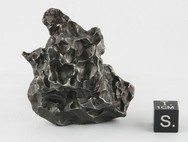
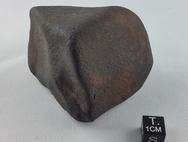
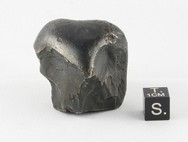
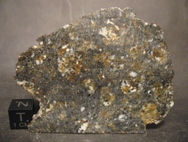
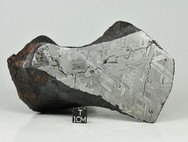
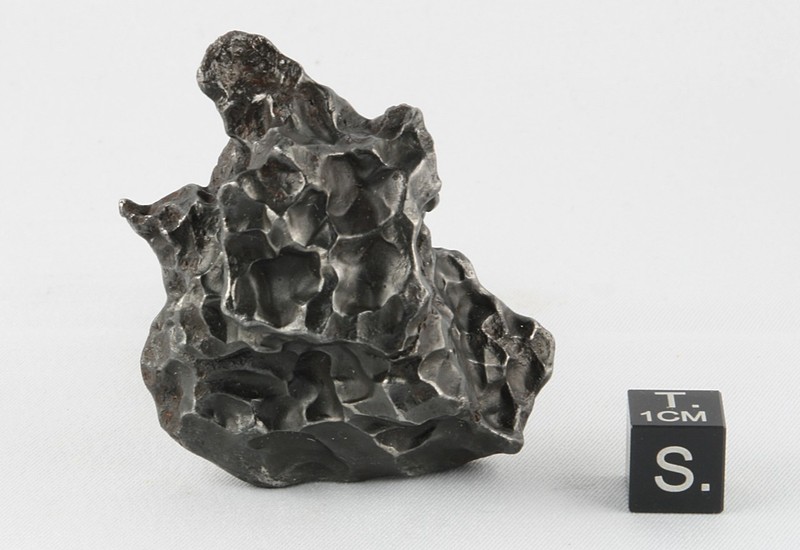
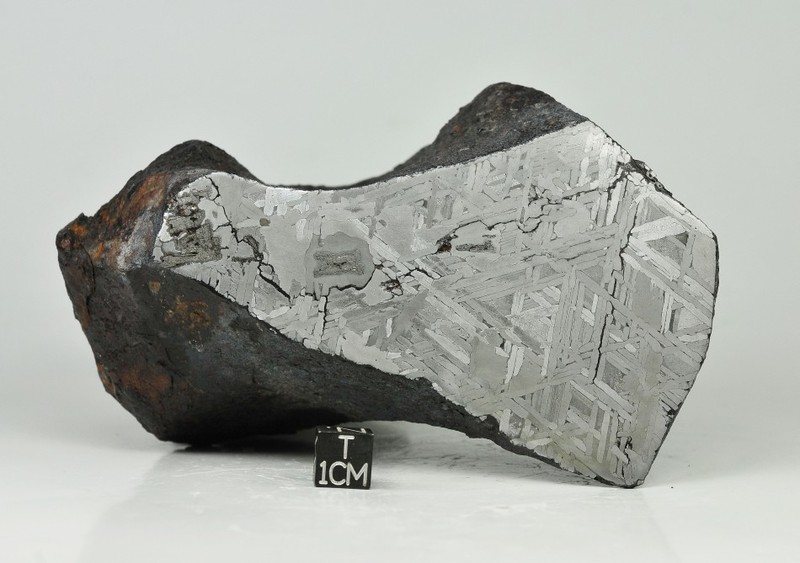
The Willamette Meteorite weighs 15.5 tons.  III is it’s classification as an iron meteorite, as it’s composed of 91% iron and 7.62% nickel, 0.4% cobalt and 0.04% phosphorus. The Willamette Meteorite is a moderately-sized mass at 10ftX6.5ftby 6.5 feet. Weathering and troilite combined formed a type of sulfuric acid which explains its deep pitting.

The Willamette Meteorite was found in Willamette Valley, Oregon in 1902 by settler Ellis Hughes…or was it? In truth, Native Americans, specifically The Clackamas tribe, named the meteorite Tomonowos, loosely translated as “Heavenly Visitor” or “Visitor from the Moon”. The Native Americans knew were somewhat familiar with astronomy and knew about occurrences such as shooting stars, but they recognized them as special events, spiritual in nature. In short, the Clackamackas likely interpreted the arrival of “Tomonowos” as a favorable sign from the heavens.  Though what the Clackamas saw a heavenly sign, Elias Hughes saw as a dollar sign. Hughes identified the meteorite as such, and hauled it back to his homestead over the course of several months with the help of equipment purchased from the Oregon Iron and Steel Company. Hughes would charge citizens 25 cents to see the meteorite until the Oregon Iron and Steel Company sued Hughes, claiming the meteorite was theirs as it was discovered on their land.

The Clackamas made a similar claim, arguing that the meteorite was on land that was originally theirs and they discovered it first. Typical of Native American treatment in 1902, the court literally stated the Clackamas claims were irrelevant and awarded ownership of the meteorite to the Oregon Iron and Steel Company. In 1905, Mrs. William E. Dodge bought the meteorite from OISC, displayed it at the Lewis and Clark Centennial Exposition, and donated it to the American Museum of Natural History in NYC.

The fight for the meteorite’s ownership, however, was just beginning.

In 1990, Willamette Valley 3rd graders seeking to have the meteorite returned to its rightful place of discovery formed the Help End Willamette Meteorite Absence committee. These very determined children wrote to senators, Oregon representatives and even media outlets in their bid to have the meteorite returned to Willamette Valley; one student even appeared on The Tonight Show. The children would petition the Oregon Museum of Science and Industry to make a home for the meteorite, to which they initially agreed.

Unfortunately, the American Museum of Natural History would not part with the meteorite, and the situation had gained such a great deal of media attention that the OMSI eventually decided to back down. The students, in 6th grade by this time, were devastated but felt they were enriched by the experience.

But there’s more.

In 2000, descendants of the Clackamas tribe within the Confederated Tribes of the Grand Ronde Community of Oregon petitioned for the return of the holy artifact as the Clackamas had done almost 100 years earlier. The AMNH would not return the meteorite, but agreed to let the Clackamas descendants hold private religious ceremonies with Tomonowos annually, along with the promise of giving the meteorite to them if the museum should ever stop displaying it.

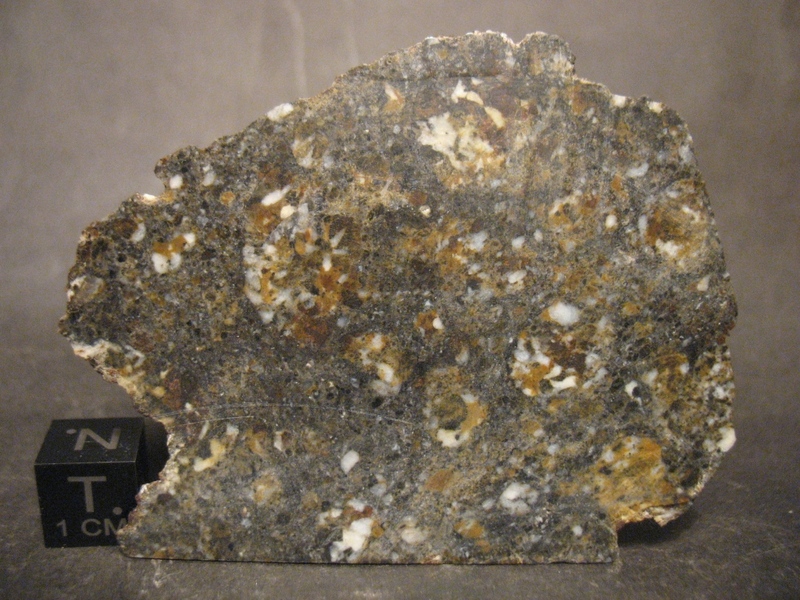
When Oregon representative John Lim proposed the museum return the meteorite to Willamette, the Clackamas descendants intervened, resulting in an end to the resolution. All was not lost for Willamette citizens desiring to have the meteorite in its location of discovery, an auctioned and purchased a 4.5 ounce piece of the meteorite is now on display at the Evergreen Aviation & Space Museum in Oregon.

But that can always change…

Christopher L. Shelby, M.D.


Search engine optimization by SEO Design Solutions